
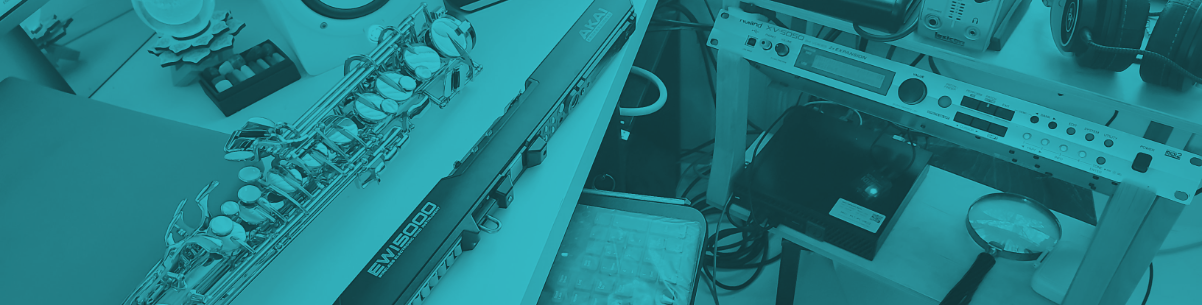
Three People, Three Countries, One Goal
Getting the Music Flowing Again
How a musician in Canada and two music-tech founders in China and Israel crossed time zones to solve one very small MIDI mystery — and restore the freedom to play.
By Mr. Michael Abramovich
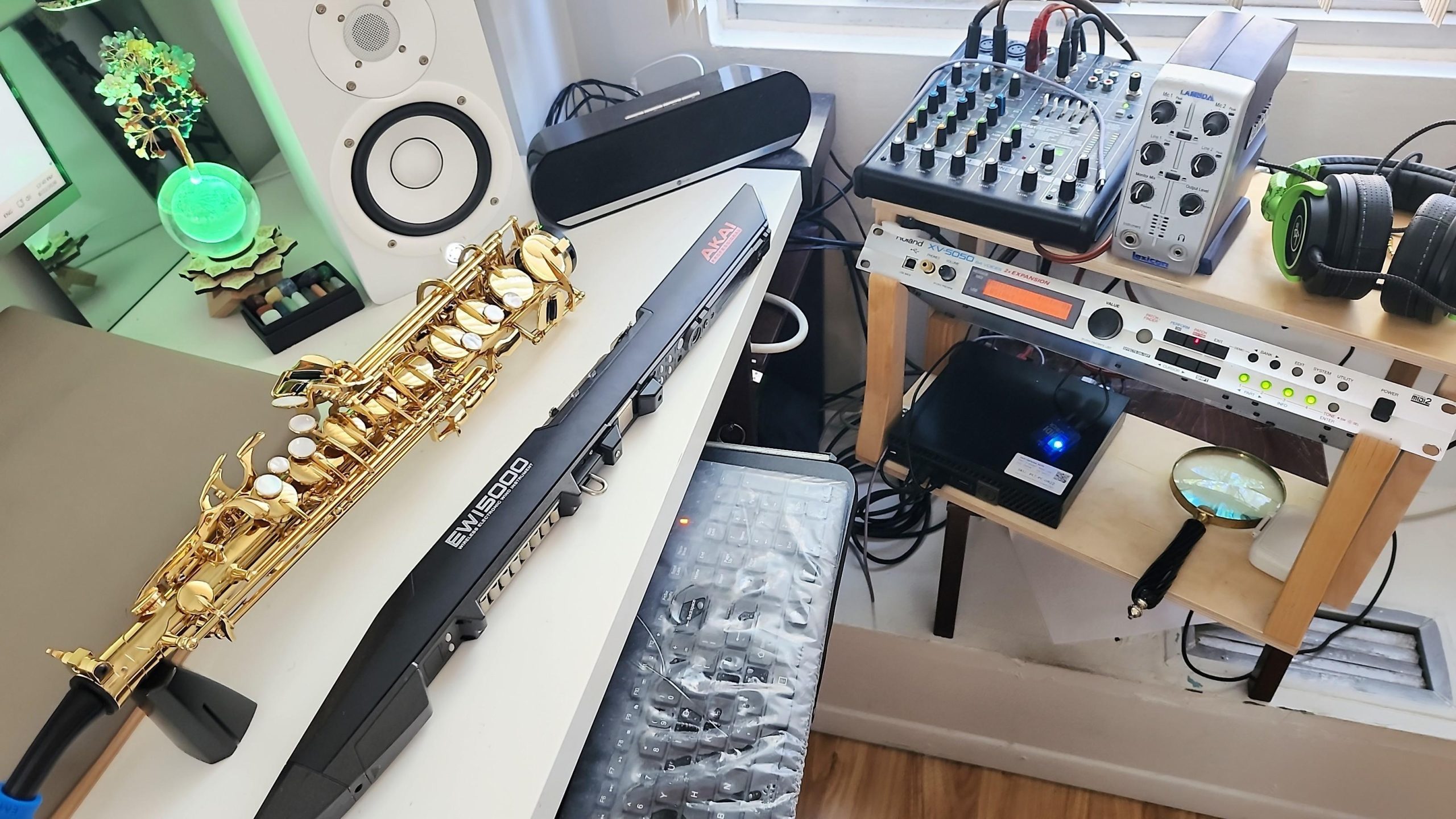
For about a week, I had exactly the musical setup I wanted. My EMEO wind controller was connected wirelessly through a CME WIDI Jack to my Roland sound module. No computer between me and the instrument, no MIDI cable hanging from the controller. I could simply pick up the EMEO and play. That freedom was exactly why I wanted wireless MIDI in the first place.
Then one day, after switching the EMEO off for about ten minutes and turning it back on, the music disappeared. Everything seemed to be working. WIDI Jack connected normally. The Roland's MIDI indicator flashed whenever I played. Yet there was no sound at all. I had not knowingly changed any settings, and the same setup had been working normally for about a week.
At first, this looked like an ordinary technical problem. I checked the Roland with another controller. It worked. I checked the EMEO in another setup. It worked. So naturally I began to suspect the device between them: WIDI Jack.
What I did not know then was that this small problem was about to turn into a troubleshooting journey connecting three people in three different countries. I was in Canada. Zhao Yitian, founder of CME, was in China. And eventually Oleg Raskin, founder of EMEO, would join the story from Israel.
The time difference alone made the experience unusual. I would send Zhao a test result, screenshot or video from Canada, and somewhere on the other side of the world he would be looking at the same blinking LEDs and trying to understand what I was seeing. We went back and forth through different possibilities, and at one stage CME even sent me another WIDI Jack so that we could eliminate the possibility of a hardware fault.
The replacement arrived. I connected it.
No sound.
That was the first big turning point....
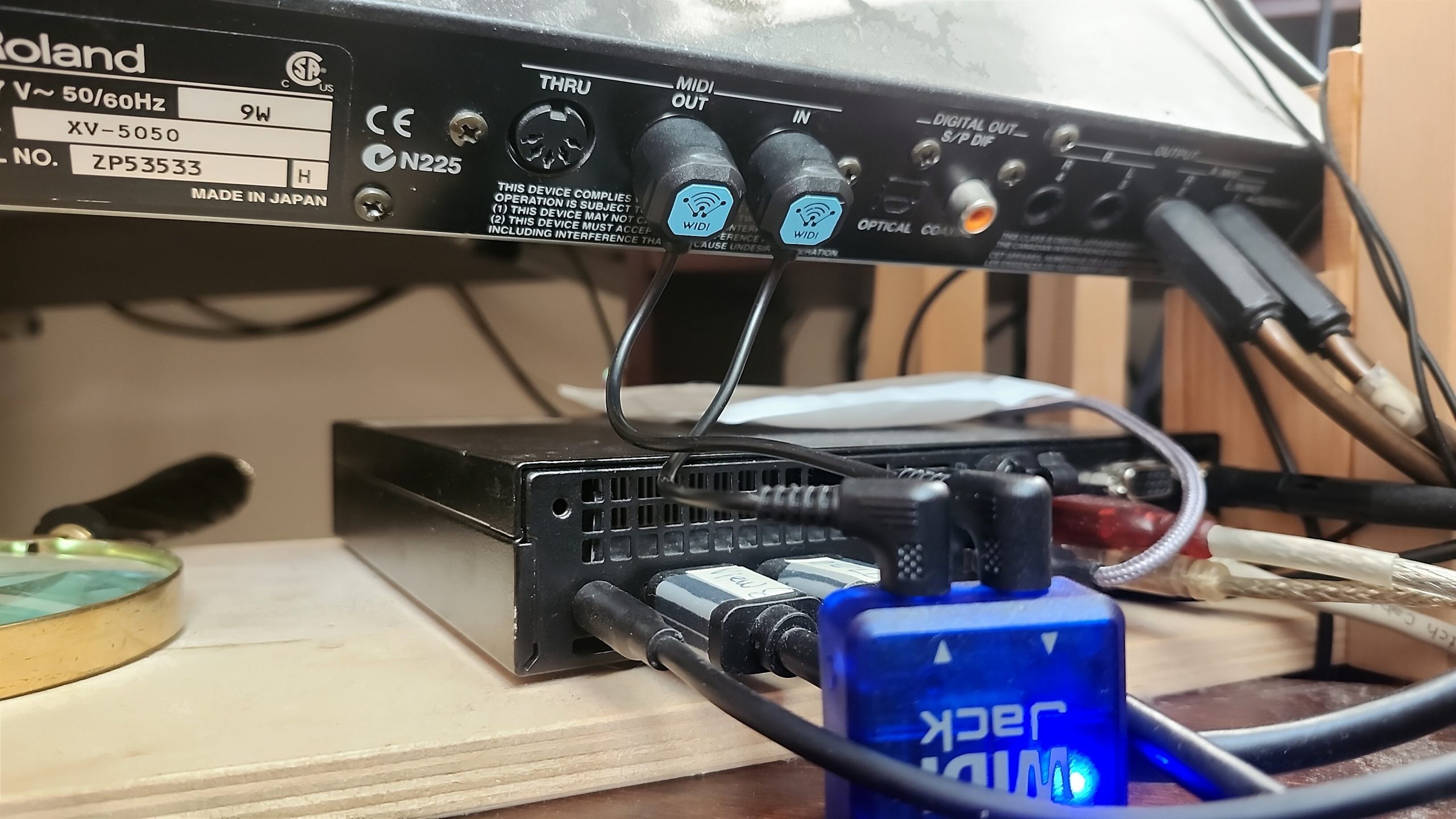
One faulty WIDI Jack was possible....
Two WIDI Jacks behaving exactly the same way made much less sense....
Suddenly, the device I had suspected from the beginning started to look innocent. And yet the mystery became harder, not easier. The setup had worked perfectly for a week. I had not intentionally changed anything. The EMEO worked. The Roland worked. Both WIDI Jacks appeared to work.
Still, no music.
At some point I wrote that perhaps EMEO no longer liked WIDI Jack — or WIDI Jack no longer liked EMEO. That was about as logical as the situation felt at the time. After testing both units and getting the same negative result, I had pretty much tried everything I could think of.
But Zhao kept coming back to one important clue: the MIDI light on the Roland was flashing. If the light was flashing, then something was getting through.
So instead of changing more hardware, we finally decided to look directly at the MIDI itself. Using Pocket MIDI, I played the EMEO and watched the messages appear on the screen. There were notes. There was Breath Controller data. And everything was being transmitted through WIDI Jack.
That was the second big turning point. The wireless connection had been doing its job all along.
But there was one detail in the data that suddenly mattered very much: MIDI Channel 3. The messages were being sent on Channel 3, including the breath-control and note information.
This solved one mystery and created another.....
If Channel 3 was the problem, how had I been playing the same setup successfully for an entire week?
The next morning, my phone rang. The call came from Israel.
It was Oleg Raskin, founder of EMEO.
He had been following the discussion about my EMEO, WIDI and Roland problem and wanted to check what was happening. I told him about the testing Zhao and I had done, and about the one detail we had finally discovered: the EMEO was transmitting on Channel 3.
Oleg's answer came immediately:
“Set it to Channel 1.”
We changed the setting. I played.
And the music came back.
After days of messages traveling between Canada and China, after testing two WIDI Jacks, and after finally examining the actual MIDI data, the answer arrived in a phone call from Israel.
One MIDI channel.
That was all.....
Three countries. Two founders. One musician.
Oleg suggested that I may have unintentionally entered one of EMEO's command modes and changed the transmit channel through a key combination. We never reproduced the exact accidental sequence afterward, so I cannot say with certainty that this is exactly what happened.
But it offered a plausible explanation for the otherwise puzzling part of the story: why a setup that had worked normally could suddenly stop without me knowingly changing anything. That possibility was also what I reported back to Zhao after the problem was solved.
Looking back, what stays with me most is not really the MIDI problem itself. It is what happened around it.
A musician in Canada wanted one simple thing: to play without cables getting in the way. A founder in China kept following the evidence even after replacing his own product failed to solve the problem. A founder in Israel saw one important detail and picked up the phone.
None of us were sitting in the same room. We were thousands of kilometers apart, working across very different time zones. Yet for a few days we were effectively gathered around the same instrument, following the same clues and trying to remove the same obstacle.
And eventually we found the smallest possible thing standing between me and the music:
3 needed to become 1.
The original WIDI Jack had never failed. The replacement had never been necessary. The wireless connection had been carrying the performance correctly all along. In my final message to Zhao, I confirmed that WIDI Jack was working properly again and that the only thing left was to return the replacement unit.
The technology turned out not to be the most important part of the story.
The collaboration was.
Three countries. Two founders. One musician. One shared goal: get the technology out of the way, so the musician can play freely again.
